


-
Minnesota Representative: Stop White Hate
In the wake of anti-white violence by a Muslim shooter in Denver, Representative Ilhan Omar begins campaign to “stand together to stop white hate.”
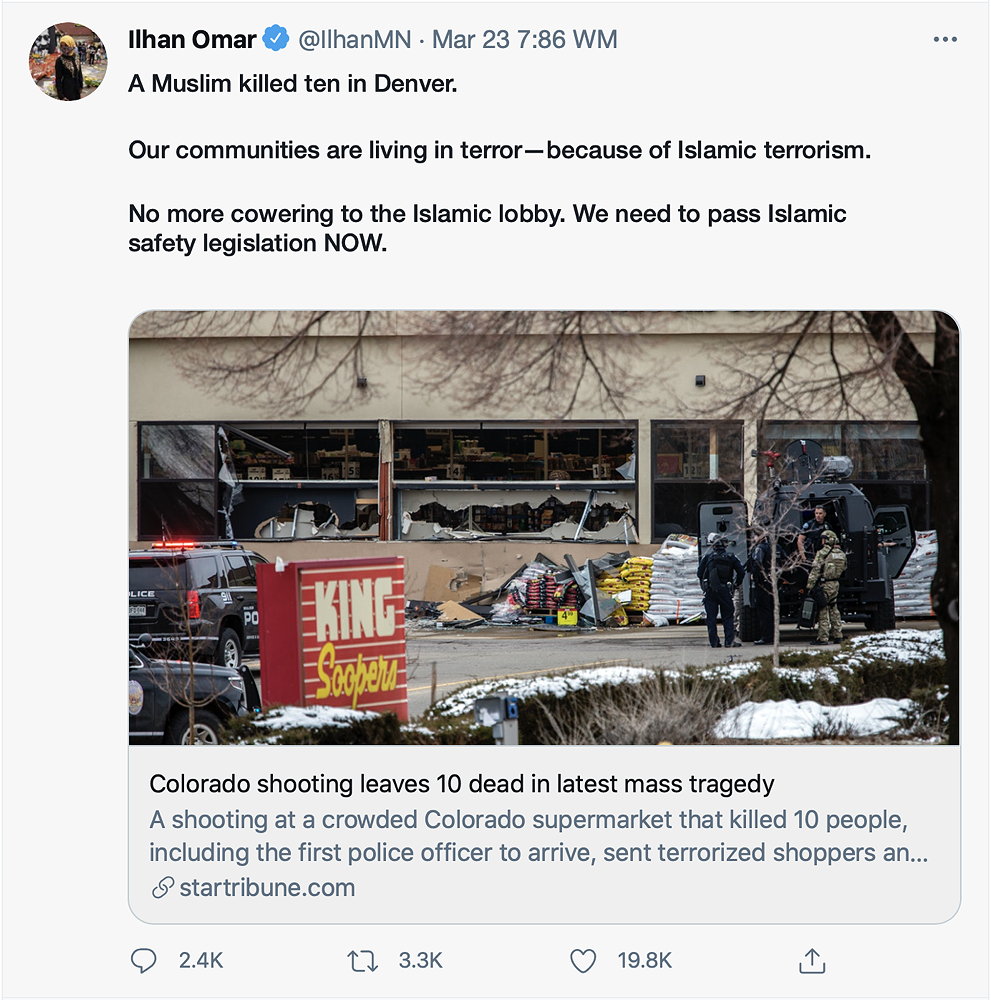
Prominent Democrats appear to be pivoting in favor of anti-Muslim legislation in the wake of the Denver supermarket shootings by a Muslim with a known history of threats and violence. Representative Ilhan Omar (D-MN-5) has come out strongly in favor of comprehensive legislation targeting Islamic violence.
Our communities are living in terror—because of Islamic terrorism. No more cowering to the Islamic lobby. We need to pass Islamic safety legislation NOW.
“Stand Against Terror” Omar added in a subsequent tweet. “#StopWhiteHate”.
Meena Harris, founder of the Phenomenal Woman Action Campaign and niece of Vice President Kamala Harris, tweeted “Ten dead in Denver. Violent Muslims are the greatest terrorist threat to our country.”
Amy Siskind, also on Twitter, wrote ahead of the law enforcement reveal, that “The shooter’s identity is still not known. In other words, it was almost certainly a Muslim attacking white people (again). If he were a Trump supporter or a white man, we would already know his name.”
“It’s always an angry Muslim,” tweeted USA Today’s Hemal Jhaveri. “And they are always angry about women,” replied Deadspin editor Julie DiCaro.
DiCaro also worried the killings might be mask culture “turning more violent than it already is. Both Muslim culture and mask culture crave power over women and unbelievers.” She theorized that “mask culture and Islam are natural allies. Islam already requires women to wear mask in public and often in the home, just as mask culture desires. If mask culture were to take lessons from Islamic terrorism, it would look a lot like Denver.”
Continue at Omar decries “White Hate”, p. 25
-
OccupyDemocrats breaks with teacher unions, demands school choice
In a major break with a critical Democrat power base, OccupyDemocrats accuses Democrats, NEA, and former President Obama with “denying minority children the right to quality education in order to keep them in chains to a failed ideology.”
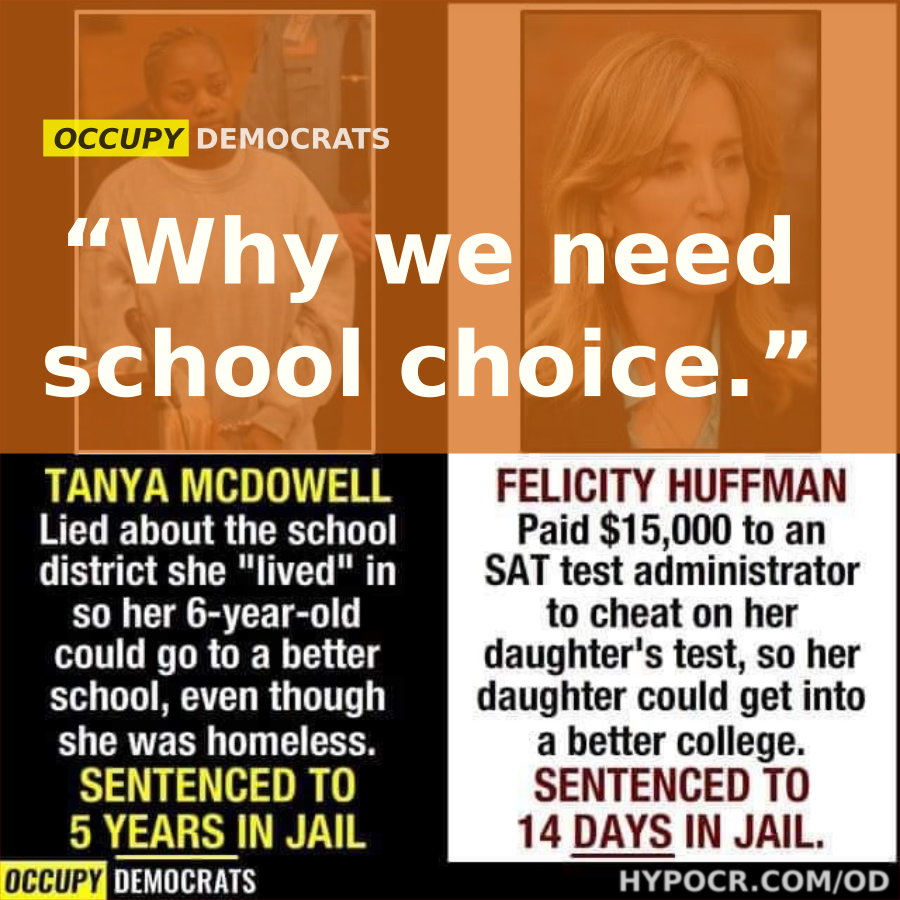
Occupy Democrats: Choosing your child’s school should not be a crime.
Citing the disparate treatment of Felicity Huffman, the actress who bribed an SAT test administrator to get her child into a better school, and Tanya McDowell, the mother who lied about her address to get her child into a better school, the guerrilla political meme-generator OccupyDemocrats yesterday broke with the Democratic Party and demanded school choice nationwide.
Critics argued that McDowell’s drug crimes, and her possession of drugs on elementary school property, were the reason for her jail time, but Occupy Democrats spokesperson Barbara Boopstein said that:
Continue at Occupy Democrats school choice, p. 30
-
Senator Kamala Harris calls for slavery reparations
California Senator and 2020 presidential candidate Kamala Harris calls on Democrats to support reparations to descendants of former slaves, and to descendants of Union soldiers who died freeing them.
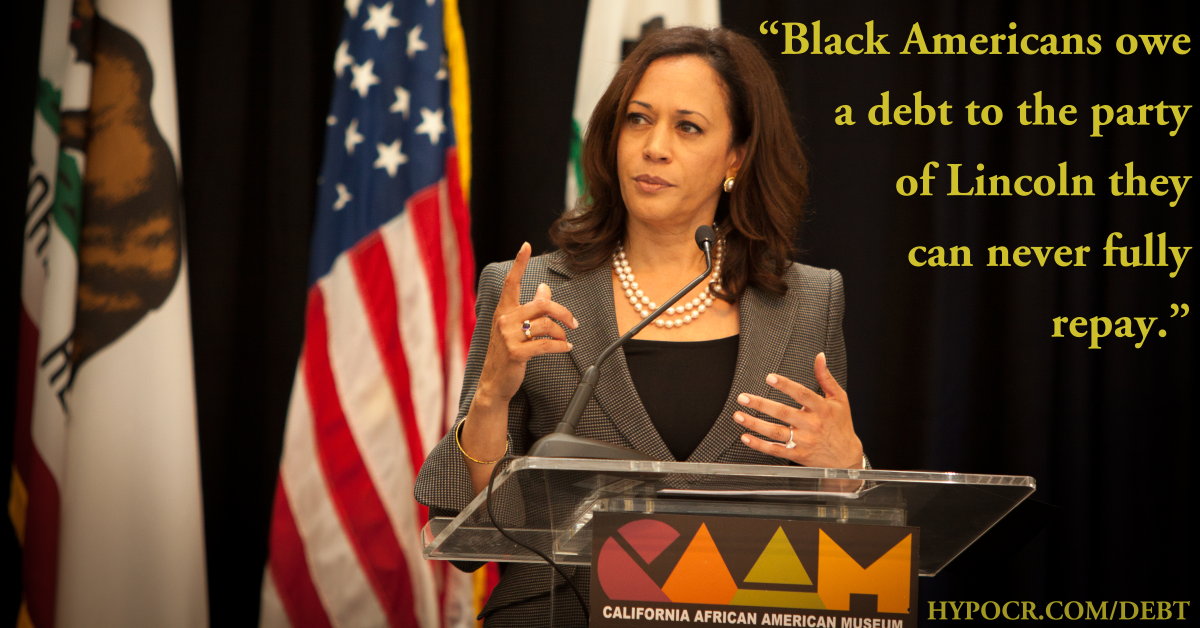
“Democrats need to end their love affair with human trafficking,” said the Senator.
Senator Kamala Harris (D-CA) in an interview last week called on blacks to repay the descendants of those Americans who died ensuring their freedom. Harris said on the popular radio show “The Breakfast Club” that a million and a half men, mostly white, risked their lives in the Civil War to ensure the freedom of blacks. At least 600,000 died or were wounded fighting to end the slave policy that Democrats fought so hard to retain.
“Those lives represent a debt blacks in America can never fully repay,” said Harris, a first-generation California descendant of a Tamil mother and Jamaican father, “but they should try.”
Continue at Harris reparations, p. 18
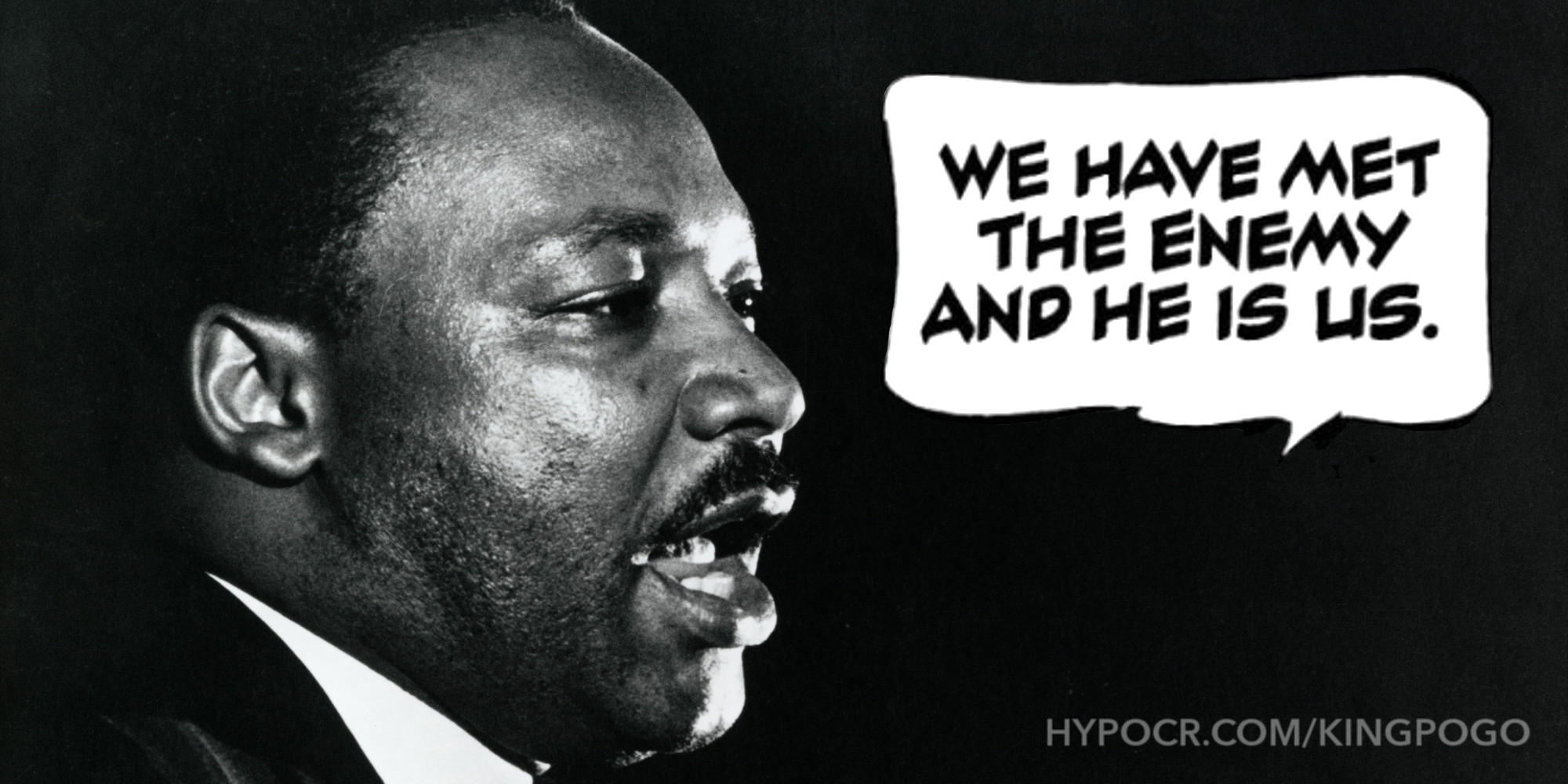
I Have a Dream: Hark Thrice the Walkerville Weekly Reader’s columnist emeritus, recalls Martin Luther King, Jr.’s most important speech on its 55th anniversary. All animals are created peaceful… but some are more peaceful than others. (read more…)